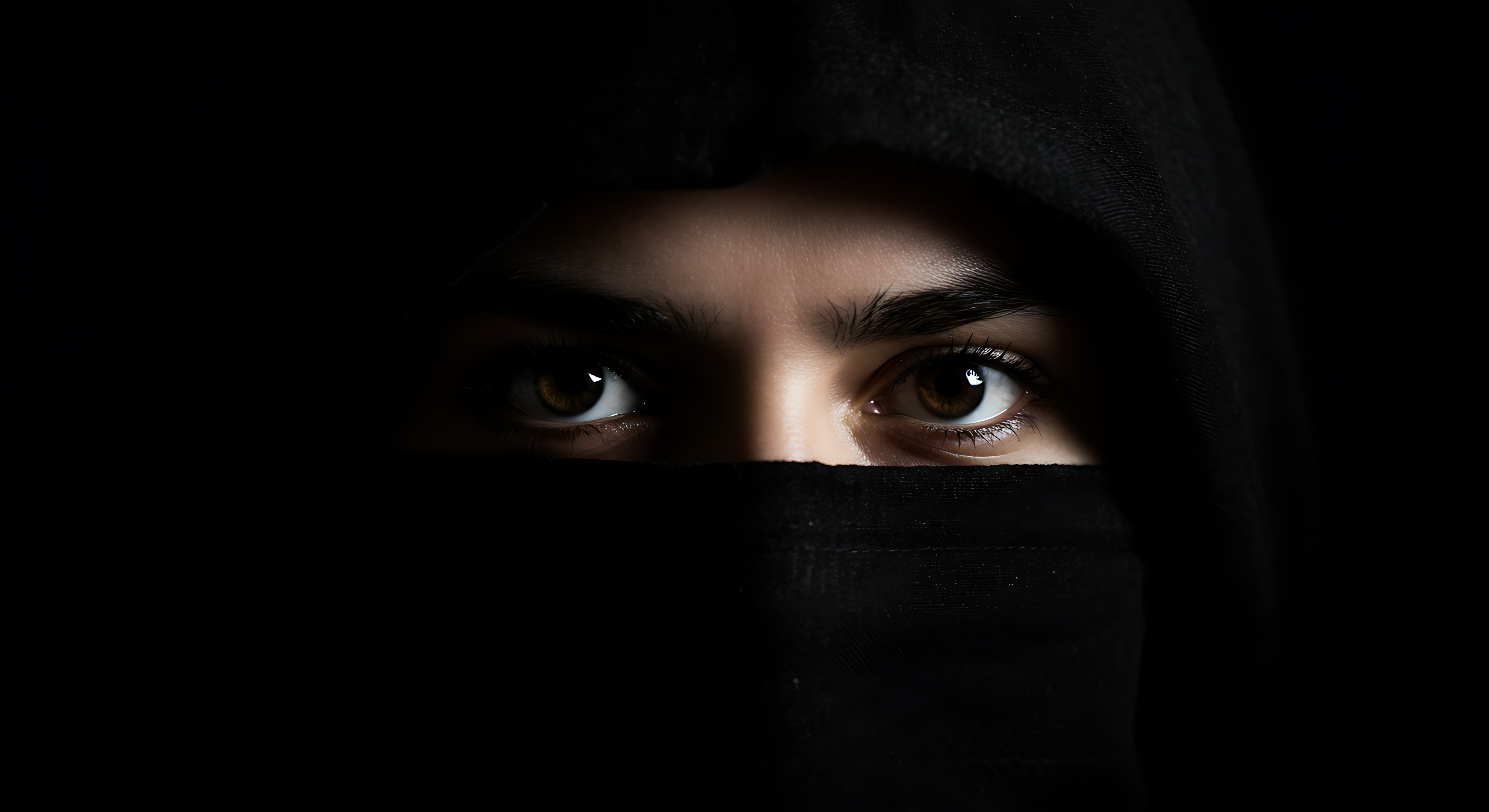
In an era of growing calls for gender equality, the debate over banning the hijab globally has intensified, with advocates arguing it symbolizes deep-rooted patriarchal control and human rights abuses. Drawing from historical analyses, recent tragedies, and expert opinions, this report examines why a worldwide hijab ban could liberate women from enforced modesty, while acknowledging opposing views on religious freedom.
Historical Origins: From Status Symbol to Tool of Control
The hijab’s roots predate Islam, originating in ancient Mesopotamia around the 13th century BCE, where Assyrian laws mandated veiling for upper-class women to distinguish them from slaves and prostitutes, enforcing class-based subjugation. Similar practices emerged in ancient Greece, Rome, and Persia, where veiling signified wealth, respectability, and male dominance over women’s bodies. In pre-Islamic Arabia, it was common among elite urban women but not universal, often impractical for rural laborers.
With Islam’s rise in the 7th century CE, the Quran (e.g., Surah 24:31 and 33:59) emphasized modesty for both genders, using terms like “khimar” (headscarf) and “jilbab” (outer garment) to instruct women to cover their bosoms and draw veils over themselves for protection from harassment. However, critics argue this evolved into a mechanism of control, distinguishing free Muslim women from slaves, who were exempt, to prevent assault, implicitly blaming women for male behavior and shifting responsibility onto them. During the Umayyad (661–750 CE) and Abbasid (750–1258 CE) caliphates, stricter veiling spread in cities like Damascus and Baghdad, influenced by Byzantine and Persian customs, with scholars from Hanafi and Hanbali schools debating coverage of faces and hands.
By the colonial era, European powers labeled the veil “backward,” sparking resistance that reframed it as anti-Western defiance. Reforms like Turkey’s 1920s ban under Atatürk aimed at secularism, but revivals in the 20th century, such as by Egypt’s Muslim Brotherhood, tied it to identity politics. Today, feminists like Leila Ahmed view it as a historical construct of patriarchal oppression, not divine mandate, perpetuating misogyny by treating women’s bodies as sources of temptation.
Shocking Incidents: Enforcement Turns Deadly
Mandatory hijab laws have led to brutal enforcement, underscoring arguments for a global ban to prevent state-sponsored violence.
Mahsa Amini’s Death in Iran (September 16, 2022, around midday): The 22-year-old was detained by morality police for “improper” hijab, suffering fatal injuries in custody. Her death sparked nationwide protests, with women burning hijabs in defiance, highlighting veiling as a tool of regime control. Protests resulted in deaths like Ghazaleh Chelavi (shot in the head, October 2022) and Minoo Majidi (murdered, September 2022), amplifying calls to end such oppression.
Iran’s Ongoing Crackdowns (Throughout 2025): Defiance grew widespread by November 29, 2025, with women openly flouting laws in Tehran, prompting wary government responses fearing unrest. On October 15, 2025, reports detailed new tactics like business raids and surveillance to enforce hijab, violating women’s autonomy. By October 25, 2025, hardline media blamed officials for lax enforcement, signaling internal pressure.
Marathon Organizers Arrested in Iran (Around December 6, 2025): Two organizers were detained for allowing women without hijabs to participate, showing continued harsh penalties under Sharia-inspired rules.
Taliban’s Education Ban in Afghanistan (Reinstated March 23, 2022): Linked to veiling mandates, it barred girls from higher education, part of broader gender restrictions deemed “systemic backwardness” by UN Women in 2023.
These cases, from Iran to Afghanistan, illustrate how hijab enforcement suppresses women’s rights, often leading to imprisonment or death, fueling arguments for a universal ban to halt such abuses.
Key Arguments for a Worldwide Ban
Proponents assert the hijab perpetuates inequality and should be prohibited globally to promote true freedom.
Symbol of Patriarchal Oppression: Rooted in misogyny, it implies women’s bodies provoke male urges, normalizing rape culture and shifting blame from perpetrators. In regimes like Iran, it’s mandatory, stripping choice and enforcing dehumanization. Banning it dismantles structures viewing women as “private property.”
Undermines Equality and Citizenship: Full veils like niqab hinder reciprocity in public life, concealing faces and disrupting mutual recognition essential for democracy. They signal separateness, conflicting with Western norms of visibility and equal engagement.
Neutrality in Public Spaces: Bans ensure secular institutions avoid endorsing religion, as in France’s 2004 school ban to maintain state secularism and prevent extremism. Germany’s 2021 law and EU rulings allow restrictions for “neutrality.”
Protects Against Coercion: In non-mandatory contexts, family or community pressure persists; a ban empowers women to reject it without backlash, combating global subjugation.
Counterarguments: Freedom of Choice and Discrimination
Opponents claim bans violate religious freedom and expression, stigmatizing Muslim women and limiting access to education, work, and sports. They argue hijab can empower, desexualizing women for equality, and prohibitions are Islamophobic, as seen in France’s sports ban debates (February 18, 2025). However, pro-ban voices counter that true choice is impossible under oppression, and neutrality protects all.
With incidents like Iran’s 2025 crackdowns exposing veiling’s dangers, a worldwide hijab ban could end cycles of violence and foster equality. While respecting diverse views, substantiated evidence of oppression demands action to prioritize women’s autonomy over tradition.
Leave a Reply